
Pressroom

The Future of War Is Now: What Washington Needs to Hear from the Battlefield

OPINION — The February snow was over a week old but still piled heavy on the roads and sidewalks of Independence Avenue, the kind of stubborn Washington winter that refuses to yield to DC’s imperium, turning the capital's marble grandeur into a grey, grimy obstacle course of frozen slush and ice-crusted curbs. We had back-to-back meetings on the Hill, the kind where you wear a suit and choose your words carefully and try to translate the chaos of a modern battlefield into something a Senate staffer can fit onto a one-pager. Later that afternoon I was due to speak at...

Ukraine Is Not Just Europe’s Shield – It’s the West’s Sharpest Tool Against China’s Global Proxy Network

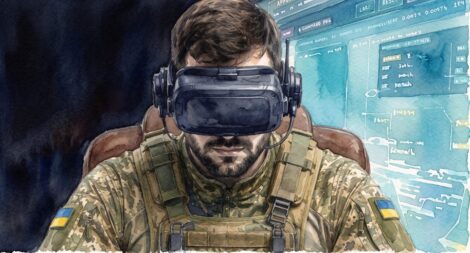
In pursuing its own survival, Ukraine’s military technology ecosystem is capable of quietly pressuring Chinese proxies without triggering the types of escalatory dynamics that restrict US action.

Ukraine’s Winter War Is the World’s Test — and America Can’t Afford to Blink

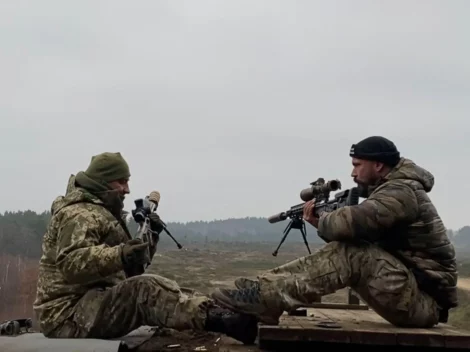
OPINION — Two weeks ago, my colleagues and I stood in Dnipro while warning sirens cut across the city and Shahed drones screamed overhead. We had come as a medical-humanitarian delegation to inspect...

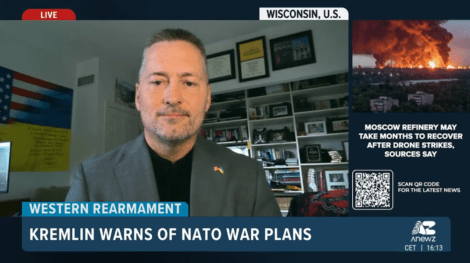
From the Front Lines of Ukraine: A Soldier’s Warning to America

The fight in Ukraine offers a glimpse of future war and a former U.S. soldier says the U.S. is unprepared

War against superbugs, stopping them before they stop us: a biological warfare approach to safeguard European biosecurity

Russia’s full-scale invasion of Ukraine has transformed both the modern battlefield and the microbial environment surrounding the war-wounded. Explosive injuries, prolonged evacuation, and limited opportunities for early decontamination have contributed to an unprecedented rise in multidrug-resistant organism (MDRO) infections. This paper describes how routine infection prevention and control (IPC) and antimicrobial stewardship (AMS) systems have become inadequate under conflict conditions and how contamination evolves into colonization and then systemic infection as casualties move through the evacuation pathway